
Hair care routine for PCOS hair loss and thinning
PCOS hair loss is not caused by weak hair alone. It’s driven by hormonal imbalance, high androgens (DHT), inflammation, insulin resistance, and poor scalp circulation. That’s why random products don’t work — PCOS hair needs a targeted routine that supports the scalp first, then the hair. PCOS hair loss routine. This routine focuses on reducing hair fall, protecting follicles, and encouraging regrowth, without overwhelming your scalp. Best oil for PCOS hair growth. PCOS hair thinning remedy. Derma rolling for PCOS hair loss. Rosemary oil for PCOS hair. DHT blocker oils for women. PCOS scalp care routine.
Weekly Twice Oiling + Dermarolling + Daily Scalp Massage
PCOS hair loss is mainly caused by high androgens (DHT), inflammation, weak follicles, and poor scalp circulation. This routine is designed to reduce hair fall, protect follicles, and support regrowth without overloading the scalp.
🔹 Oiling Day 1:
Rosemary Oil + Saw Palmetto Oil + Pumpkin Seed Oil.
Oil Quantities:
Pumpkin Seed Oil (carrier oil): 2 tablespoons
Saw Palmetto Oil: 1 teaspoon
Rosemary Essential Oil: 5–7 drops
Application time:
⏱️ 30 minutes to 2 hours only (do not exceed)
Benefits (Short & Clear):
Pumpkin Seed Oil: Helps reduce DHT, strengthens thinning follicles
Saw Palmetto Oil: Protects hair follicles from androgen damage
Rosemary Oil: Improves scalp circulation and stimulates regrowth
👉 Best for: PCOS hormonal hair loss, crown thinning, widening part
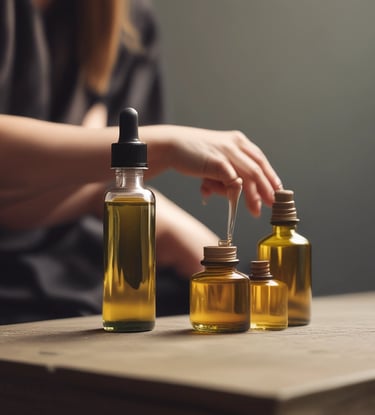
🔹 Oiling Day 2 (Other Day):
Black Seed Oil + Peppermint Oil + Castor Oil.
Oil Quantities:
Black Seed Oil (carrier oil): 1½ tablespoons
Castor Oil: 1 tablespoon
Peppermint Essential Oil: 3–5 drops
Application time:
⏱️ 30 minutes to 2 hours only
Benefits (Short & Clear):
Black Seed Oil: Reduces scalp inflammation, supports follicle health
Peppermint Oil: Boosts blood flow and awakens dormant follicles
Castor Oil: Improves thickness, reduces breakage, strengthens roots
👉 Best for: Weak hair, slow regrowth, thin hair texture
🪮 How to Apply Hair Oil (Both Days)
Apply oil to a dry scalp
Section hair and apply directly to scalp
Massage gently for 5–10 minutes
Leave on 30 minutes to 2 hours only
🚫 Do not leave oil longer — PCOS scalps need balance, not heaviness.
🧴 Shampoo + Conditioner (After Every Oiling)
Use a gentle, sulfate-free shampoo
Shampoo only the scalp
Apply conditioner only to mid-lengths and ends
🌿 Rosemary Hair Mask (After Shampoo – Once or Twice Weekly)
Strengthens hair shaft
Improves scalp circulation
Supports thicker-looking hair
Apply to scalp + hair length, leave for 10–15 minutes, then rinse.
🧬 Derma rolling Routine (On Shampoo Day Only)
Derma rolling is very effective for PCOS hair regrowth when done correctly.
Benefits of Derma rolling:
Increases blood circulation to hair follicles
Improves absorption of oils and serums
Helps reactivate dormant follicles
Supports thicker and faster regrowth
How to Derma roll Safely (Step-by-Step)
Use 0.5 mm derma roller
Do it on a clean scalp (after shampooing)
Roll gently in:
Vertical direction
Horizontal direction
Diagonal direction
⏱️ Time: 5–7 minutes total
📅 Frequency: Once a week only
🚫 Do not apply oil immediately after derma rolling
✔️ You may apply a light scalp serum after 12–24 hours
💆 Daily Scalp Massage (Every Day – Non-Negotiable)
Time: ⏱️ 10 minutes daily
Benefits:
Improves blood circulation
Reduces stress-related hair fall
Keeps follicles active between oiling days
Use fingertips or a soft scalp massager.
Massage gently — no scratching.


When to Expect Results
Reduced hair fall: 4–6 weeks
Baby hairs & regrowth: 8–12 weeks
Visible thickness: 3–4 months